Special Guests
We cordially extend an invitation for you to join us at this conference. Your presence would be greatly appreciated.
Update Time: 2025-10-23 14:06:51 CST
谢光正
上海大学
点阵结构多尺度模拟的广义非局部准连续介质力学方法
Abstract | Introduction
针对大规模架构化(architected)点阵结构在力学行为模拟中计算量过大的问题,本文提出一种并发多尺度方法——广义非局部准连续介质力学方法(Generalized Nonlocal Quasi-Continuum, GNQC)。该方法在传统非局部准连续体框架的基础上,摒弃了粗粒化区域中对仿射或高阶变形模式的先验假设,通过引入与形函数阶次相一致的能量采样机制,实现了粗粒化区域内能量采样与有限元插值精度之间的协调统一。GNQC方法具有以下三个显著优势:(1)本构模型一致性:在局部全分辨率区域与粗粒化区域均采用统一的点阵本构关系,有效避免了多尺度区域过渡过程中可能出现的本构非协调问题;(2)与形函数阶次一致的能量采样法则:该采样机制与广义的形函数插值阶数相匹配,显著区别于现有准连续介质力学方法,并大幅降低了计算成本;(3)一致的界面相容性:实现了不同分辨率区域间能量与力的无缝传递,避免了传统方法中复杂的界面处理。通过一系列典型数值算例(包括拉伸、悬臂弯曲、三点弯曲及裂纹扩展问题),验证了GNQC方法的有效性与优良性能,并进一步对其误差分析与收敛行为进行了讨论。研究表明,GNQC 为大规模点阵结构的多尺度建模与高效模拟提供了一种统一而可靠的计算框架。
谢光正(2002-),男,湖北人,硕士生,主要从事计算力学研究。E-mail: gzxie@shu.edu.cn
褚英杰
厦门大学
不可压弹性力学问题的再生光滑核梯度稳定无网格分析方法
Abstract | Introduction
本文针对近乎不可压缩弹性力学问题,提出了一种结合最小二乘稳定技术的再生光滑梯度无网格方法。该方法基于赫林格-赖斯纳变分原理,对位移场与应力场分别构造独立的近似函数,并在离散列式中隐式嵌入不可压缩性约束,从而避免了引入显式压力。借助再生光滑梯度框架,该方法能够自然满足变分积分一致性,从而确保解的最优收敛性。在此基础上,为有效克服不可压弹性力学问题数值解易出现的压力振荡问题,在离散列式中进一步引入了最小二乘稳定化项。理论分析表明,所提方法可同时满足LBB条件与强制性条件,因此具有良好的稳定性。数值结果表明,再生光滑核梯度稳定无网格分析方法在保证精度和收敛性的同时,能够有效抑制压力振荡。
厦门大学建筑与土木工程学院2023级硕士研究生,指导教师王东东教授。
赖欣
武汉理工大学
基于ULPH的热传导与对流问题建模方法
Abstract | Introduction
本文采用引入高阶非局部微分算子的更新拉格朗日粒子流体动力学(ULPH)方法模拟流体热传导和自然对流过程。高阶矩阵求逆的引入显著增加了计算量,因此在ULPH框架下实现了GPU并行加速。我们进行了包括立方体腔内自然对流、同心圆柱间自然对流等多个数值模拟。结果表明,ULPH方法与现有文献结果一致,且GPU加速效率随着计算规模的增加而提升。该方法表现出良好的精度和收敛性,有望用于模拟复杂的流体动力学场景。
赖欣:男,武汉理工大学副教授、硕士生导师。现任新材料力学理论与应用湖北省重点实验室副主任,湖北省复合材料学会理事,武汉力学学会与湖北省力学学会理事,南方计算力学联络委员会委员,近场动力学与非局部理论国际研究中心执行委员会委员等。致力于研究计算力学理论、方法及其应用,发展高速冲击作用下复合材料结构冲击损伤破坏行为的表征与仿真预测方法,软物质力学的多尺度建模与接触理论,以及湍流作用下复杂流动与结构破坏之间的相互作用。至今已正式发表或接收SCI论文30余篇,被引700余次;目前已授权自主软件著作权3项。先后主持国家自然科学基金项目青年项目1项,基础加强计划技术领域基金项目1项,参与国家自然科学基金面上项目7项、国家部委及其他纵向15项。
廉艳平
北京理工大学
金属增材制造的多尺度多场耦合计算方法
Abstract | Introduction
金属增材制造技术是推动轻量化高性能装备结构研发的关键数字化制造技术,在航空航天、能源动力等领域具有广阔的应用空间。该制造工艺因涉及极端热力载荷下多尺度和多物理场耦合问题而极其复杂,成形构件力学性能因具有不可避免的多种制造缺陷而与设计值存在偏差。数值模拟方法是探究增材制造成形机理、优化工艺参数、分析成形构件真实力学行为的一种重要手段。针对其成形过程热流固耦合高保真求解、成形材料与结构力学响应的高效计算需求,本文建立了多物理场物质点法及双向自适应转化的物质点有限元法,解决了含相变多场耦合问题的高效高保真计算难题,提出了基于有限胞元法和自洽聚类分析方法的两尺度并发求解算法,实现了考虑成形尺寸缺陷和局部材料微观组织影响的高精度快速计算,开展了工程应用。本文工作以期推动增材制造工艺仿真理论与算法的发展,为高端装备结构创新构型设计与制造提供关键技术保障。
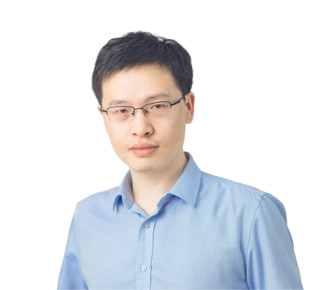
廉艳平,北京理工大学长聘教授/博导,国家级青年人才,国家基础加强重点项目首席科学家。现任力学学会固体力学专委会委员、数据驱动的计算力学方法专业组成员,全国工程计算方法联络委员会委员,《力学学报》、《计算力学学报》、《Materials》期刊编委,主持多项国家级科研项目以及科技部工业软件揭榜挂帅项目子课题。曾获北京市自然科学二等奖(2/6)、国际增材制造数值模拟挑战赛第1名(1/6)、清华大学优博论文等荣誉。 长期从事计算力学理论与算法研究,包括金属增材制造、冲击侵彻、先进材料与结构设计分析等涉及极端载荷和多场耦合问题的算法以及数据驱动计算力学新方法等。建立了极端变形问题的自适应物质点有限元法、金属增材制造问题的多尺度多场耦合算法、数据驱动的离散学习方法、分数阶偏微分方程的高精度稳定计算方法等。在CMAME、CM等期刊发论文60余篇,他引2000余次,合著学术著作2部,软件著作权20余项,申请发明专利6项。研究成果为高端装备结构研发、型号归零分析等工程需求提供了关键技术支撑。
蒲俊成
北京理工大学
金属增材制造过程热裂问题的多场耦合断裂相场模型
Abstract | Introduction
金属增材制造技术是推动轻量化高性能装备结构研发的关键数字化制造技术,在航空航天、能源动力等领域具有广阔的应用空间。然而,成形过程中易出现的熔池凝固裂纹仍制约着其成形质量和效率,亟需发展数值模拟方法以探究其开裂机理并优化工艺参数。针对该问题,本研究提出了一种考虑合金凝固路径的大变形热-弹-塑性断裂相场模型。其中,基于合金的凝固曲线,考虑了金属凝固末期的应力和强度的竞争关系;结合高保真热流耦合方法,实现了热固耦合大变形热-弹-塑性断裂相场模型。采用基准算例和粉末床熔融工艺问题验证了该模型的有效性,其中不同合金性质、温度梯度、冷却速率等工况下的计算结果与实验中的裂纹形貌具有良好的一致性。该模型有望为金属增材制造中的热致裂纹预测提供关键手段。
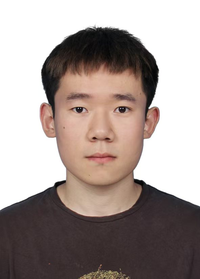
北京理工大学廉艳平教授课题组博士生,研究方向为金属增材制造热裂问题数值模拟
廖嘉星
南昌大学
基于位移间断法的各向异性介质裂纹扩展分析
Abstract | Introduction
本文使用位移间断方法研究了各向异性介质板中裂纹的扩展问题。利用互等理论导出了Ⅰ型和Ⅱ型位移不连续的基本解,并对包括裂纹面在内的所有边界建立了具有边界位移不连续的边界积分方程。对于常数单元,用解析方法得到了应力和位移的影响系数,大大减少了计算量,为确定裂纹扩展方向,采用最大周向应力理论和最小应变能理论,对各向同性板进行了深入的研究,这两种理论具有相同的数值结果,但对于各向异性介质,这两种理论之间的差异是巨大的。
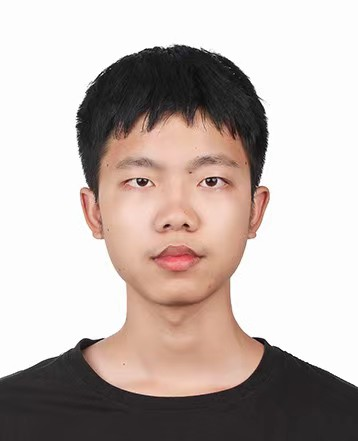
南昌大学23级研究生。

熊学繁
中国科学技术大学 工程科学学院
一种高效的 AP-SGDM 逆可靠性算法及其在声振耦合结构可靠性拓扑优化中的应用
Abstract | Introduction
一种高效的 AP-SGDM 逆可靠性算法及其在声振耦合可靠性拓扑优化中的应用 熊学繁1,林旭航1,陈海波1 (1. 中国科学技术大学,安徽合肥 230027) 摘要:针对外声场与结构强耦合系统,提出了一种考虑材料属性、激励频率等多种不确定性因素的可靠性拓扑优化模型。该系统采用有限元-边界元耦合方法进行响应分析,并通过伴随变量法计算响应灵敏度。为了应对经典逆可靠性分析算法在处理高度非线性性能函数时存在的低效性和收敛性差的问题,提出了一种高效的自适应参数随机梯度下降动量法(AP-SGDM)。该方法在迭代过程中累积历史梯度信息,引入“惯性”项以有效抑制迭代振荡,显著加快收敛速度。同时,通过构造凹凸判断准则自适应地调整动量参数,动态权衡当前梯度与历史梯度信息的权重,从而兼顾算法的稳健性与收敛效率。通过设计六个典型的逆可靠性算例、一个可靠性设计优化问题和一个可靠性拓扑优化问题并与其他经典算法进行系统比较,验证了AP-SGDM 在计算效率、稳定性与鲁棒性方面的优势。最后,将 AP-SGDM 嵌入序贯优化与可靠性评估框架加速声振耦合系统可靠性拓扑优化的进程。序贯优化与可靠性评估实施了一种单一循环策略,该策略涉及一系列连续的周期,在每个周期中,确定性优化与可靠性评估相互解耦。采用蒙特卡洛法并设置10000个样本进行比较分析,结果表明最终确定性拓扑优化失效概率为53.51%,而可靠性拓扑优化则显示出大幅降低的失效概率,仅为0.17%。 关键词:可靠性拓扑优化;自适应参数随机梯度下降动量法;逆可靠性分析;外声场与结构强耦合系统
中国科学技术大学研究生,研究方向为声振耦合可靠性拓扑优化。
樊火
中国科学院成都山地灾害与环境研究所
三分量体积坐标系统及其在数值计算方法中的应用
Abstract | Introduction
体积坐标系统在数值计算方法中扮演着非常重要的角色。到目前为止,所有体积坐标系统的分量数都等于对应多面体单元的面数,如基于四面体单元的四分量体积坐标系统和基于六面体单元的六分量体积坐标系统。本研究提出有限单元法发展史上首个三分量体积坐标系统。该体积坐标系统的分量数与多面体单元的面数无关,兼具自然坐标系统的优越性和笛卡尔坐标系统的简洁性,其构造方法适用于具有任意面数的多面体单元,三角形和四边形面积坐标系统都是其在二维情形下的退化形式。应用该体积坐标系统构造的六面体非协调元的高性能表明其是发展新型高性能单元的有力工具。
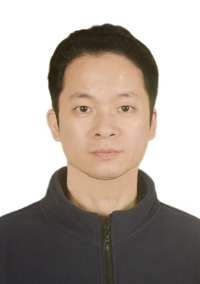
中国科学院成都山地灾害与环境研究所研究员、博士研究生导师。主要从事工程数值计算方法与山地灾害数值模拟研究,发表第一作SCI论文20余篇,中国科学院B类先导项目核心成员。
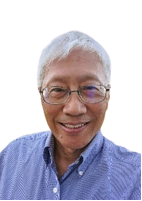
Alexander H.-D. Cheng
密西西比大学
Fundamental Solutions as Basis Functions for Numerical Methods
Abstract | Introduction
Fundamental solution is a singular solution that satisfies a single or a set of coupled partial differential operator(s). Its existence is guaranteed for any linear partial differential operator with constant coefficients. For problems governed by such operators, fundamental solutions can be the best basis functions for approximating the solution. This talk discusses the availability of closed form fundamental solutions for various physical problems governed by linear partial differential operators, and their use as global and local basis functions. It also examines the pros and cons of the global and local versions of the method of fundamental solutions.
Dr Alexander H.-D. Cheng,教授,长期担任国际著名期刊《Engineering Analysis with Boundary Elements》主编。获国立台湾大学学士学位,密苏里大学硕士学位,康奈尔大学博士学位。Cheng教授曾任教康奈尔大学、哥伦比亚大学和特拉华大学。继后转入密西西比大学工作,担任密西西比大学工程学院院长。主要研究领域包括地下水流动与运输、咸水侵入、边界元法、基本解法、径向基函数、孔隙力学、纳米力学等。出版专著5部,编辑专著4部,会议论文集15部,发表了180多篇高质量国际期刊论文。获得行业最高奖项George Green Medal、Maurice A. Biot Medal、Walter L. Huber土木工程研究奖和美国国家岩石力学委员会基础研究奖。担任美国土木工程师学会工程力学学会会长、美国水文学会学术事务副会长。